
Simple Dental Habits That Make a Bigger Difference Than You Think

Everyone knows they should brush and floss, but knowing and doing are two very different things. The daily habits you build around your oral health have a compounding effect over time, either protecting your teeth and gums or gradually working against them. Small, consistent choices made every single day determine the condition of your smile years down the road far more than any single dental procedure ever could. If you want to take better control of your oral health, it starts with the habits you practice at home. Keep reading to find out which ones matter most.
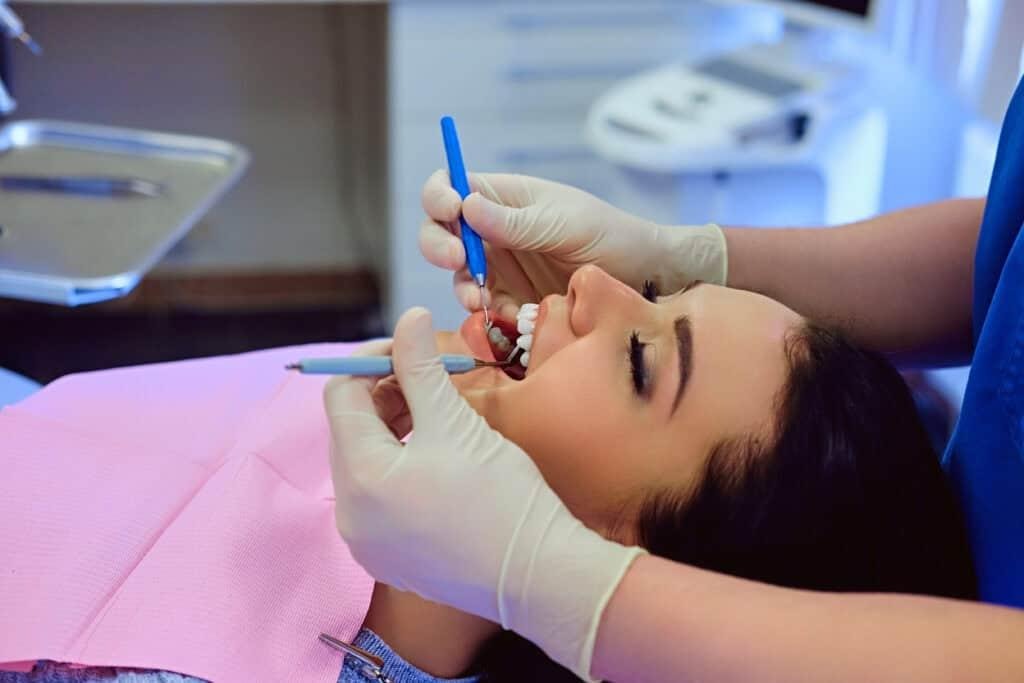
Daily Habits That Keep Your Smile Healthy for Life

Building the right oral health habits does not require a complicated routine or expensive products. Patients who combine good daily habits with regular visits to dentists Raleigh NC consistently enjoy better oral health outcomes and fewer costly dental problems over time. Here is where to focus your efforts.

Brushing Technique Matters More Than Frequency

First and foremost, most people brush their teeth without giving much thought to how they are doing it. Brushing too hard, using a worn-out toothbrush, or rushing through the process leaves plaque behind on surfaces that are technically being brushed but not effectively cleaned. Additionally, dentists recommend brushing for a full two minutes using gentle circular motions rather than aggressive back and forth scrubbing that damages enamel and irritates gum tissue over time. Replacing your toothbrush every three months and using a soft bristled brush makes a surprisingly significant difference in the effectiveness of your daily routine.

Flossing Is Non-Negotiable

Furthermore, flossing remains one of the most skipped steps in daily oral care despite being one of the most important. The spaces between your teeth account for a significant portion of your total tooth surface area, and a toothbrush simply cannot reach them effectively. Plaque and food debris that accumulate in these spaces lead directly to cavities and gum disease if left unaddressed. Additionally, flossing once daily removes buildup before it hardens into tartar that only a professional cleaning can eliminate. Making flossing a non-negotiable part of your evening routine is one of the single most impactful things you can do for your long-term oral health.

What You Drink Affects Your Teeth More Than You Realize

Another habit worth examining closely is what you drink throughout the day and how you consume it. Sugary drinks, acidic beverages like coffee and soda, and even fruit juice create an acidic oral environment that gradually erodes tooth enamel with repeated exposure. Additionally, sipping these beverages slowly over long periods prolongs the acid attack on your teeth far more than drinking them quickly and rinsing with water afterward. Staying well hydrated with plain water throughout the day helps neutralize acids, rinse away food particles, and support healthy saliva production that naturally protects your teeth.

Conclusion: Daily Habits That Keep Your Smile Healthy for Life

To wrap it all up, protecting your oral health comes down to the small consistent choices you make every single day. Better brushing technique, daily flossing, smarter beverage choices, and regular professional checkups create a foundation that keeps your smile healthy for decades. Do not underestimate the power of simple habits done consistently over time. Start strengthening your daily oral health routine today and give your smile the attention and care it truly deserves.
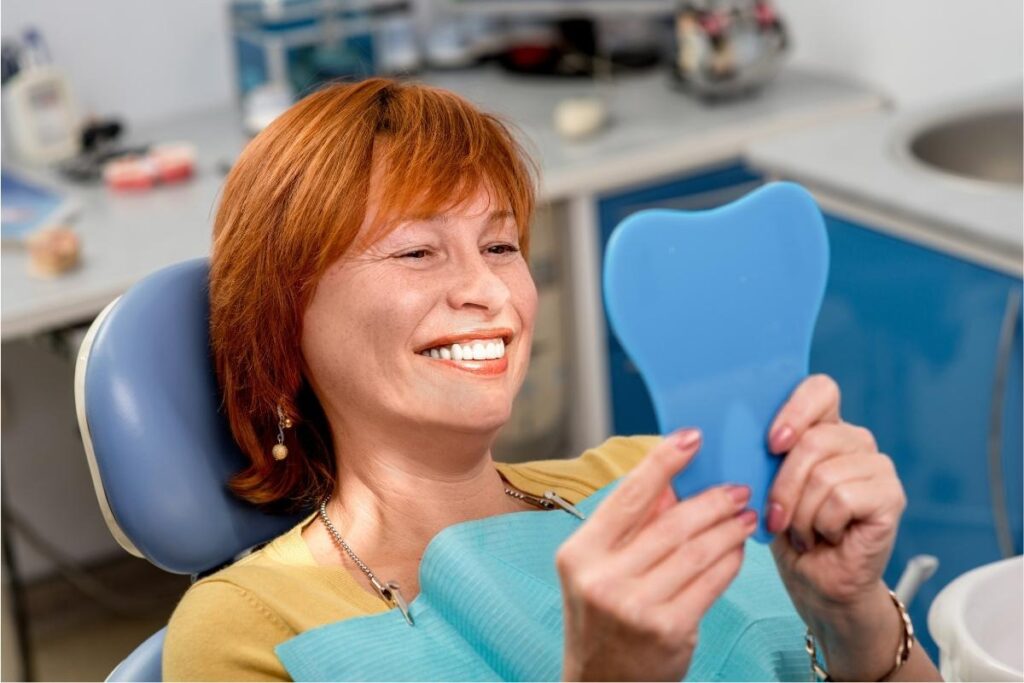
How Treatment Planning Impacts the Total Cost of Dental Implants

Dental implants are a reliable, long-term solution for missing teeth, but the total cost can vary widely from one patient to another. One major factor behind this difference is treatment planning. When dentists take time to plan each step carefully, they can control costs, avoid surprises, and improve outcomes. 

How Treatment Planning Affects Overall Cost of Dental Implants

Understanding how treatment planning works helps patients see where their affordable dental implants Pittsburgh PA investment goes and why planning matters so much.

Starting With a Thorough Evaluation

Treatment planning begins with a complete evaluation of your oral health. Dentists assess bone density, gum condition, bite alignment, and overall dental history. This step may include exams and imaging to identify potential challenges early.

Although this evaluation adds an initial cost, it often prevents expensive complications later. By understanding your needs upfront, the dentist can design a plan that avoids unnecessary procedures and reduces long-term expenses.

Identifying the Right Implant Approach

Not every patient needs the same type of implant treatment. Some may require a single implant, while others need multiple implants or full-arch solutions. Treatment planning helps determine the most efficient and effective approach for your situation.

By choosing the right method from the start, dentists can avoid over-treatment. This tailored approach ensures you only pay for what is truly necessary to achieve a stable and functional result.

Addressing Bone and Gum Health Early

Bone and gum health play a major role in implant success. If issues such as bone loss or gum disease exist, they must be addressed before implant placement. Treatment planning identifies these concerns early and integrates solutions into the overall plan.

Handling these issues upfront often reduces the risk of implant failure. While preparatory treatments may add to the initial cost, they help prevent costly revisions or replacements in the future.

Reducing the Risk of Unexpected Procedures

Poor planning can lead to surprises during treatment, such as failed integration or improper implant positioning. These problems often require additional procedures that increase total costs.

With careful planning, dentists anticipate potential risks and design strategies to avoid them. As a result, patients experience fewer delays, fewer complications, and more predictable costs throughout the process.

Optimizing the Timeline of Treatment

Treatment planning also affects how long the implant process takes. A well-organized plan sequences each step efficiently, reducing unnecessary appointments and downtime. This efficiency can lower costs associated with extended treatment timelines.

Additionally, a clear timeline helps patients plan financially. Knowing when procedures will occur allows for better budgeting and coordination with insurance or financing options.

Selecting Materials and Techniques Wisely

Different implant materials and techniques come with different price points. Treatment planning helps dentists select options that balance durability, function, and cost.

Rather than defaulting to the most expensive materials, dentists can choose proven options that meet your needs without inflating costs. This thoughtful selection adds long-term value to your investment.

Supporting Long-Term Implant Success

Successful implants last for many years, and treatment planning plays a key role in longevity. When implants are placed correctly and supported by healthy tissue, maintenance costs remain low over time.

By focusing on long-term success, treatment planning reduces the likelihood of repairs or replacements. This focus makes implants more cost-effective over their lifespan.

Conclusion: How Treatment Planning Affects Overall Cost of Dental Implants

Treatment planning has a direct impact on the total cost of dental implants. From early evaluations and customized approaches to risk reduction and material selection, every planning decision influences both short-term and long-term expenses. By investing in careful planning, patients gain clearer expectations, fewer surprises, and better outcomes. Ultimately, strong treatment planning helps ensure that dental implants deliver lasting value, comfort, and confidence.